The Restaurant Value Creation Playbook for Institutional Investors
Part 3: Guest-Centered Digital Business Strategy

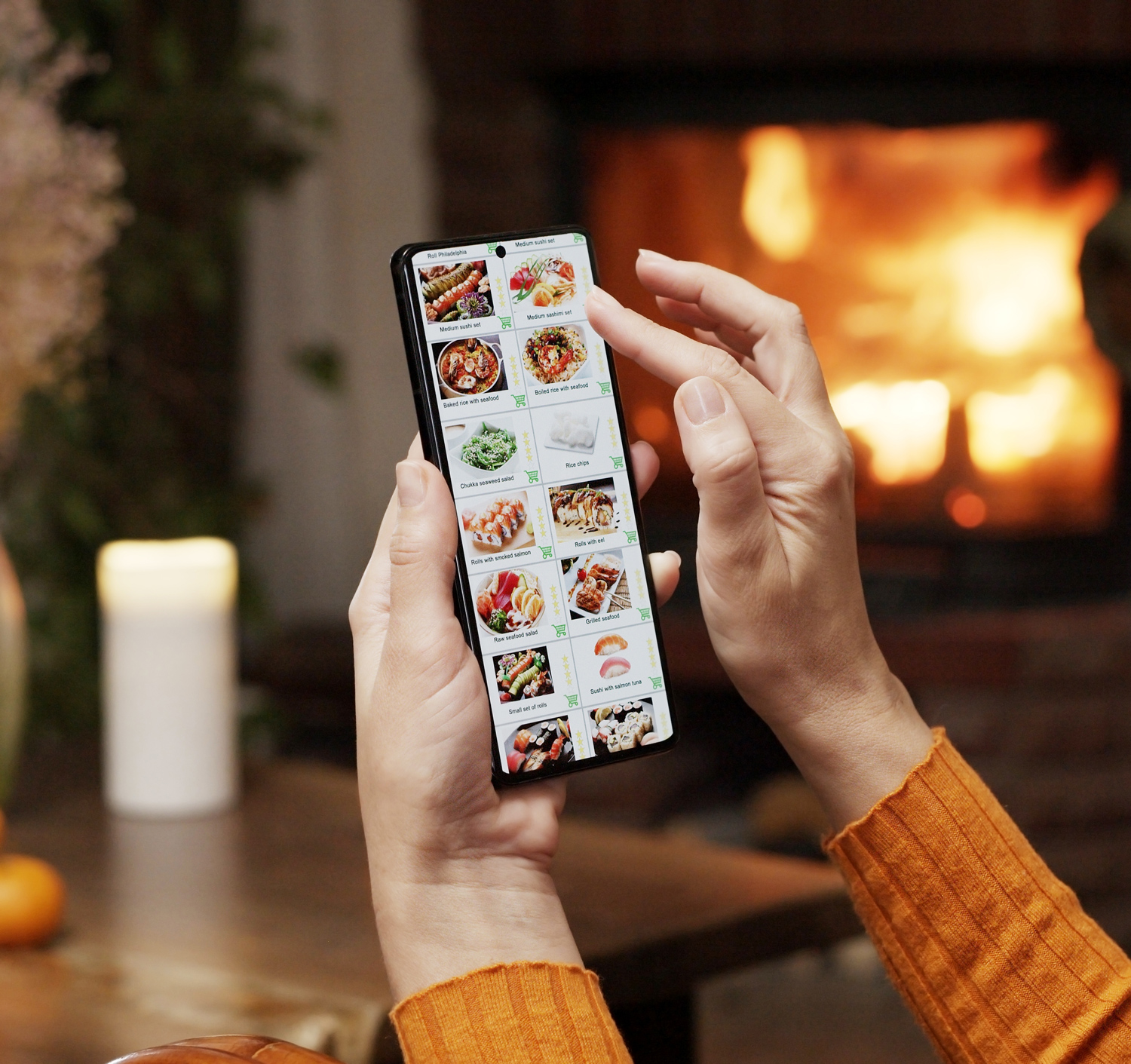
Firms that complete a guest-journey assessment understand exactly where revenue is leaking and why. The ones that act on it systematically, starting with the highest-impact opportunities and building toward a guest-centered digital strategy, are the ones that protect margin and grow retention over the investment period.
Biggest revenue opportunities
A guest-journey assessment often surfaces several gaps, but not all are equal. The five below are the ones we see most consistently across acquired restaurant brands, and the ones worth moving on first because the revenue impact is immediate.
Discoverability and listing management are among the fastest wins after an acquisition. Brands that get their location data accurate, consistent, and actively managed across all search touchpoints pull guests from search directly into first-party visits. Inconsistent listings carry a real cost, where 80% of consumers say they lose trust in a business the moment they encounter incorrect information online, whether it's a wrong address, outdated hours, or a disconnected phone number1. These are remedial problems to fix with minimal lift and maintained through a cost-effective third-party service. Relative to the potential cost, the impact is immediate across every location.
First-party channel readiness is about keeping the margin the brand already earned. A fast, well-integrated first-party ordering experience captures more margin on every transaction and builds an owned guest data set with every order. Some brands have never asked whether their payment processor is set up to capture guest data. That one conversation can change what the brand knows about every guest who's ever paid with a card. The stakes are high because 65% of guests who visit a restaurant once don't return the following year2, and brands that never captured their data at the point of sale have no way to bring them back.
Tech stack integration is what makes every other revenue strategy executable. When the POS, ordering platform, loyalty program, and CRM talk to each other, the brand gets a real-time view of what's selling, to whom, at what margin, and where orders are dropping off. Even well-managed middleware integrations leak roughly 1% of orders through injection failures when systems aren't natively connected3. A common example is a guest who tries to order and encounters an error message. To the guest, the order appears to go through, but the restaurant never receives it. Multiple failures in a day for one store lead to measurable revenue loss at volume across a multi-unit portfolio.
Catering readiness is a high-check revenue channel some multi-unit brands still run through manual processes. Mobile catering orders consistently produce higher average checks than in-person or phone single-plate orders, running 9 to 10 times larger than a standard takeout order4. So, the $100 catering order a guest places through the manual process becomes $900 with an on-demand catering platform. And a fully integrated digital catering experience removes the operational errors that manual ordering creates. For brands with meaningful catering demand, this is one of the highest-return investments available.
Individual guest data capability is what lets a brand market to an actual person rather than a transaction history. Brands that build this have loyalty, CRM, and CDP working together with a team that knows how to use them. The bigger opportunity is that often the CDP and CRM features are already available in a brand’s loyalty platform, so the work is to evaluate if those solutions are suited for the brand’s needs or if separate platforms need to be sourced and implemented. Eighty-three percent of operators believe connecting these systems would directly and positively impact profitability, and the brands acting on that connection are the ones turning guest data into retention5.
Every revenue opportunity traces back to the same question: where is the guest hitting a wall?
Centering the guest to capture each revenue opportunity
A 400-unit franchise brand we worked with had a discoverability problem nobody had considered. Guests searching for a location couldn't find one on the brand's own website. The experience was buried, inconsistent, sometimes broken, and always took an exorbitant number of clicks. At that scale, every unfindable location was a guest who didn't show up or ended up on a DSP instead. Fixing it took two weeks and touched every unit in the portfolio at once.
First-party marketing is where firms are most tempted to spend before the foundation is ready. A national brand with more than 1,000 locations had the tools, the ordering channels, and the guest data. What it didn't have was a coherent way to make it all work together. The POS, CRM, and ordering systems ran in parallel without meaningful integration, making it nearly impossible to move guests from third-party to first-party channels. After an acquisition, the instinct is to spend more on marketing and promotions to drive traffic to ordering channels. But driving guests to a first-party experience that isn't ready loses them, so the integration work has to come first.
The most expensive gaps are sometimes invisible until firms ask the right question. A global enterprise brand with more than 1,000 locations had invested heavily in its data infrastructure, building a data lake and a strong IT team around best-in-class tools. And still had no way to reach a single guest personally because everything their data systems produced was aggregate. The missing piece was a CDP and the team to run it.
In every one of these, the gap was the distance between what the tools could do and what the brand was set up to do with them.
Setting the long-term digital strategy
The revenue opportunity in every one of these situations, regardless of brand size or ownership structure, comes from following the guest and finding the leak. Turning each opportunity into reality is how firms build their long-term digital strategy. Once the foundation from the earlier assessment is solid, the work shifts from fixing what's broken to building what's next.
Accurately defining the ideal guest starts the long-term strategy, based on real purchasing behavior and demographic data rather than assumptions about who the brand thinks walks through the door or clicks into your digital ecosystem. Brands that get this right build retention strategies around who their guests actually are, and every campaign they run reflects that.
Long-term digital strategy is where guest intelligence gets put to work. Firms that get here first already prioritize which guests to win back, which markets to target for a new promotion, and where to spend on retention rather than acquisition.
An effective guest intelligence strategy requires loyalty, CRM, and CDP to work together, with data enrichment layered on top. Enrichment pulls from sources like purchase history, behavioral signals, foot traffic patterns, and demographic data from third-party data houses to build a fuller picture of the guest beyond what they've ordered from the brand. Card-linked transaction history is one source, but it's one piece of a much broader set that data houses draw from. Brands that have this built out can build campaigns around the specific, personalized behavior and preferences of each guest.
Many capital firms and brand teams don't have the internal bandwidth to do all of this work well while also running the business. The assessment, prioritization, stack decisions, vendor negotiations, and change management behind it are each a project in their own right. The brands that come out of a three- to five-year investment with a digital operation measurably stronger than the one they bought frequently had outside help getting there.
The firms that came out ahead asked the right questions before the deal closed, then spent the first 90 days learning exactly what they'd bought. What they built after that is what compounded multiple growth opportunities. The digital layer isn't a side project anymore. For the brands doing it well, it's where the return gets built.
1 BrightLocal, Business Listing ROI Guide, 2026.
2 Olo, The Three Metrics That Matter for Restaurant Operators, 2026.
3 SpecGravity, Restaurant Technology Stack: Every System a Brand Needs, 2026.
4 ChowNow, Restaurant Catering: How to Add a High-Margin Channel, 2026.
5 SevenRooms, 2026 Restaurant Industry Trends Report, 2026.

Ready to move? Let’s talk.